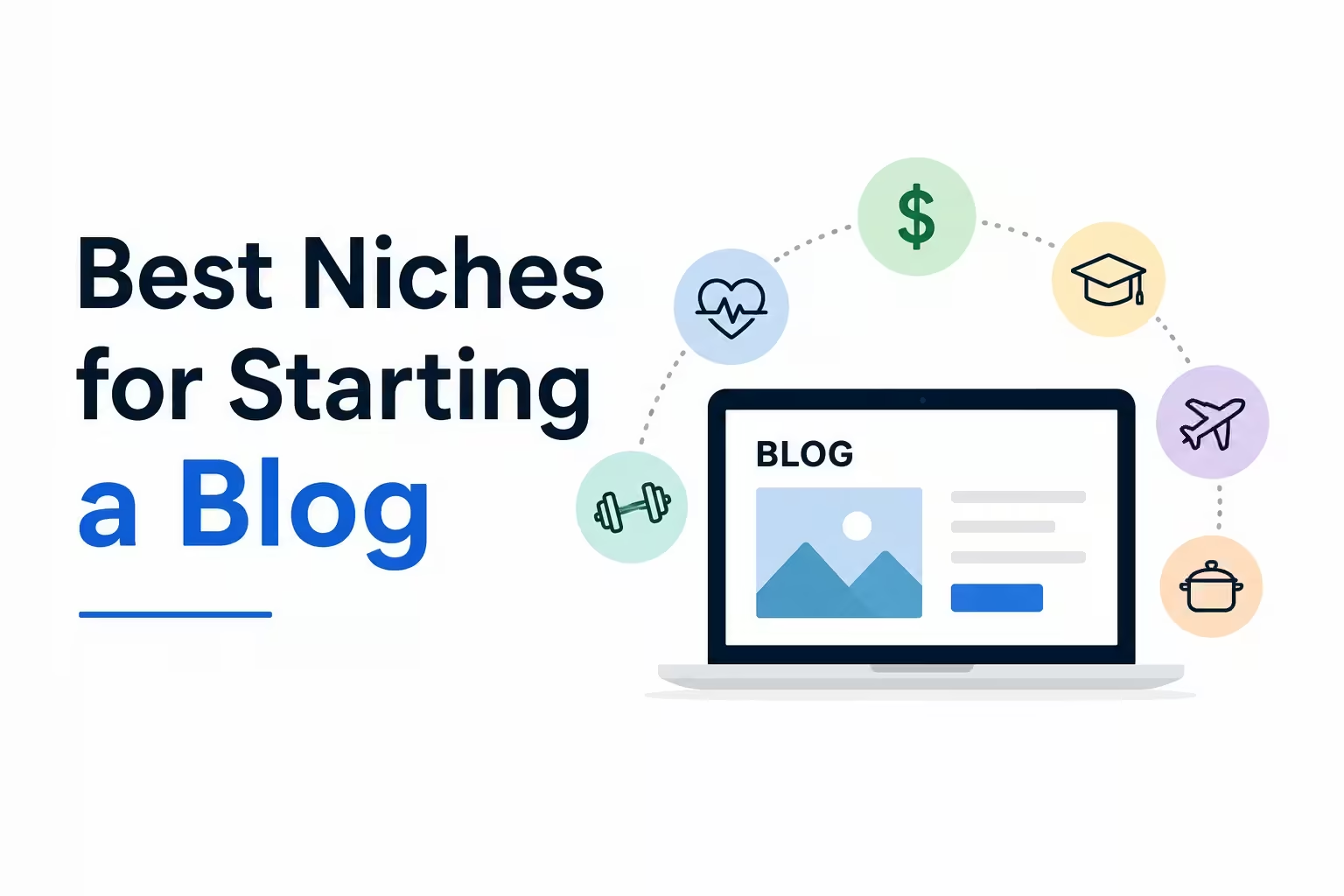
Introduction: Why Choosing the Right Niche Is Everything
If you want to start a blog, the single most important decision you’ll make is choosing your niche.
Pick the wrong one, and you’ll spend months writing content that nobody reads. Pick the right one, and you could build a blog that earns passive income, grows a loyal audience, and opens doors to freelance work, brand deals, and digital products.
The best niches for starting a blog are those that combine your interest, audience demand, and money-making potential. This guide breaks all of that down for you — simply, clearly, and practically.
Whether you’re a student, a stay-at-home parent, a freelancer, or someone looking for a side hustle, there’s a profitable blog niche waiting for you.
Let’s get into it.
Find similar topics in Blogging category.
What Makes a Blog Niche Profitable?
Before picking your niche, you need to understand what separates a profitable niche from a dead-end one.
Here are the four things every good blog niche needs:
- Audience demand — People are actively searching for this topic online
- Monetization potential — You can earn through ads, affiliates, or products
- Content depth — You can write 50+ articles without running out of ideas
- Your genuine interest — You can sustain writing about it long-term
A niche that checks all four boxes is a winner. Let’s look at the best ones available right now.
The 15 Best Niches for Starting a Blog in 2026
1. Personal Finance and Money Management
This is one of the most profitable blog niches on the internet — and for good reason. People always want to know how to earn more, save more, and get out of debt.
What you can write about:
- Budgeting tips for beginners
- How to pay off student loans fast
- Investing for beginners in India or the US
- Side hustles to make extra money
- Credit score improvement tips
How bloggers make money here:
- Affiliate marketing (credit cards, investment apps, budgeting tools)
- Display ads (high RPM in this niche)
- Selling eBooks or financial courses
Real example: The blog “Millennial Money” grew to millions of readers by focusing on debt payoff stories and early retirement. The blogger eventually sold it for over $1 million.
Warning: The personal finance niche falls under Google’s YMYL (Your Money or Your Life) category. This means Google holds it to a higher standard. You need to build trust through personal experience and well-researched content.
2. Health and Wellness
Health is another YMYL niche, but it remains one of the highest-earning categories in blogging.
Sub-niches to consider:
- Mental health for young adults
- Gut health and nutrition
- Fitness for beginners
- Natural remedies and herbal health
- Weight loss for women over 40
Why it works: Health problems never go away. People search for health-related topics every single day.
Monetization options:
- Affiliate links to supplements, fitness equipment, or apps
- Sponsored posts from health brands
- Selling meal plans or workout guides
Tip: If you’re not a certified professional, always write from a personal experience angle or clearly cite medical sources. This protects you and builds credibility.
3. Personal Development and Self-Improvement
This niche is evergreen, meaning it stays relevant forever. Topics like productivity, confidence, habits, and mindset resonate with people across all age groups.
Popular content ideas:
- Morning routine habits of successful people
- How to stop procrastinating
- Books that changed my life
- How to build self-discipline
- Daily journaling prompts for mental clarity
Best monetization methods:
- Selling digital journals, planners, or courses
- Affiliate links to books (Amazon Associates)
- Coaching services
This niche works especially well on Pinterest, which can drive thousands of free monthly visitors to a new blog.
4. Make Money Online and Blogging Tips
If you learn blogging, you can blog about blogging. This is called a “meta” niche — and it’s massively popular.
Topics that get lots of traffic:
- How to start a blog for beginners
- Best affiliate programs for new bloggers
- How to make your first $1,000 blogging
- Free traffic sources for blogs
- How to write blog posts that rank on Google
Why beginners love this niche: You can document your own journey. You don’t need to be an expert on day one — readers enjoy following real-time learning experiences.
Top earners in this space: Blogs like Smart Passive Income and Income School earn millions annually from this very niche.
Warning: This market is competitive. Focus on a specific angle — for example, blogging for students, blogging as a stay-at-home mom, or blogging on a zero-dollar budget.
5. Food and Recipes
Food blogs are among the most visited websites in the world. But the secret is niching down further.
Instead of a general food blog, try:
- Budget meals for college students
- 30-minute dinners for busy parents
- Vegetarian recipes for weight loss
- Indian street food recipes
- High-protein meals for gym goers
How food bloggers earn:
- Display ads (Mediavine, AdThrive (Raptive) — very high RPM)
- Selling digital cookbooks
- YouTube channel tie-ins
- Brand sponsorships
Pro tip: Every recipe post should be SEO-optimized with a recipe card plugin (like WP Recipe Maker). Google loves structured recipe data and often features recipe blogs in rich snippets.
6. Travel Blogging
Travel blogging took a hit during the pandemic, but it’s fully recovered and growing again.
Smart micro-niches within travel:
- Budget travel in Southeast Asia
- Solo female travel safety tips
- Travel for remote workers (digital nomad lifestyle)
- Family travel with toddlers
- Weekend trips from Delhi or Mumbai
Monetization methods:
- Affiliate links to booking platforms (Booking.com, Agoda)
- Travel credit card affiliate programs
- Sponsored hotel or tour reviews
- Selling travel itineraries as PDFs
Honest advice: Travel blogging takes time to earn money. Don’t quit your job expecting to fund your travels within three months. Treat it as a 12–18 month project before serious income begins.
7. Parenting and Family Life
Parents are always searching for advice, tips, and relatable content. This niche has a highly engaged, loyal audience.
High-performing sub-niches:
- Gentle parenting techniques
- Raising kids on a budget
- Single parenting tips
- Homeschooling resources
- Toddler activity ideas
Why it works: Parenting topics generate emotional engagement. Parents share, save, and revisit content constantly.
Monetization options:
- Display ads
- Affiliate links to baby and child products
- Sponsored posts from family brands
- Selling printable activity sheets or planners
8. Technology and Gadget Reviews
If you enjoy technology, this niche offers excellent affiliate commissions — especially from Amazon and tech retailers.
Good content angles:
- Best budget smartphones under ₹15,000
- Laptop reviews for college students
- Best tools for remote work
- Beginner’s guide to AI tools
- Best apps for productivity in 2026
Monetization power: Tech products have higher price points, which means higher affiliate commissions per sale.
Tip: Focus on comparison articles and “best of” lists. These rank well and convert readers into buyers easily.
9. Career Advice and Job Search Tips
With millions of people searching for jobs, internships, and career changes, this niche has exploding demand.
Topic ideas that rank well:
- How to write a resume with no experience
- Top skills to learn for high-paying jobs in 2026
- How to ace a job interview
- LinkedIn profile tips for freshers
- Highest paying careers without a degree
Who reads this: Students, fresh graduates, job seekers, and career switchers — a massive global audience.
Monetization options:
- Selling resume templates or career coaching
- Affiliate links to online course platforms (Coursera, Udemy)
- Sponsored content from job platforms
10. Fashion and Style
Fashion blogging still works — but generic fashion content is overcrowded. Micro-niches are the way forward.
Profitable fashion micro-niches:
- Modest fashion for Muslim women
- Plus-size fashion on a budget
- Workwear for young professionals
- Sustainable and thrift fashion
- Indian ethnic wear styling tips
How fashion bloggers earn:
- LTK and affiliate programs for clothing brands
- Brand collaborations and gifting
- Instagram and Pinterest traffic monetized through ads
Note: This niche is very visual. You’ll need quality photos or graphics. Instagram and Pinterest are essential traffic sources here.
11. Home Improvement and DIY
People who own homes are always looking for ways to improve, decorate, or fix things. This audience also has money to spend.
Content that performs well:
- DIY home decor on a budget
- Small apartment organization ideas
- Weekend renovation projects for beginners
- How to paint a room like a professional
- Kitchen upgrades under ₹5,000
Top monetization methods:
- Amazon affiliate links (tools, materials, decor)
- Display ads (high RPM from this audience)
- Sponsored content from home brands
12. Education and Online Learning
Online learning grew massively after 2020 and continues to grow. People want to upskill — and they search for guidance on where and how to do it.
Great content ideas:
- Best free online courses with certificates
- How to learn coding from scratch
- Top platforms to learn graphic design
- Study tips for competitive exams
- Best YouTube channels for self-education
Monetization: This niche converts extremely well with affiliate links to platforms like Coursera, Skillshare, LinkedIn Learning, and Udemy.
13. Relationships and Dating Advice
Relationship content has consistent search volume year-round. It also performs incredibly well on Pinterest and Google.
Sub-niches to consider:
- Dating advice for introverts
- Long-distance relationship tips
- Marriage advice for newlyweds
- Navigating divorce and co-parenting
- Making new friends as an adult
Monetization options:
- Affiliate links to relationship courses or books
- Display advertising
- Selling digital guides or workbooks
14. Pets and Animal Care
Pet owners are passionate, loyal, and willing to spend money. This niche consistently performs well.
Profitable pet micro-niches:
- Dog training for beginners
- Best food for senior cats
- Exotic pet care (reptiles, birds)
- Apartment-friendly dog breeds
- Pet health on a budget
Monetization:
- Amazon affiliate links (pet food, toys, accessories)
- Sponsored posts from pet brands
- Selling pet care guides
15. Sustainability and Eco-Friendly Living
This is a growing niche with a passionate, younger audience. Environmental awareness is increasing globally, and bloggers in this space are building strong communities.
Content ideas:
- Zero waste lifestyle for beginners
- Sustainable fashion on a budget
- Eco-friendly home products that actually work
- How to reduce your carbon footprint
- Plastic-free kitchen swaps
Monetization options:
- Affiliate links to eco-friendly product brands
- Sponsored content from sustainable companies
- Selling digital guides on green living
How to Choose the Right Niche for You
Here’s a simple three-step process to pick your niche:
Step 1 — List your interests. Write down 5–10 topics you genuinely enjoy talking or reading about.
Step 2 — Check search demand. Use free tools like Google Trends, Ubersuggest, or AnswerThePublic to see if people are searching for your topic.
Step 3 — Evaluate money-making potential. Search “[your niche] + affiliate program” on Google. If affiliate programs exist, people are making money in that space.
Choose the niche where your interest meets real demand and earning opportunities.
Common Mistakes Beginners Make When Choosing a Niche
Avoid these early mistakes that hold most beginner bloggers back:
- Choosing a niche that’s too broad — “Health” is too wide. “Gut health for women over 30” is perfect.
- Picking a niche only for money — If you hate the topic, you’ll quit before you see results.
- Ignoring competition — Check how many established blogs exist. If a niche has too many authority sites, start with a narrower focus.
- Thinking there are no good niches left — There are always under-served sub-niches waiting to be filled.
Conclusion: Your Blog Niche Is Your Foundation
Choosing the right niche is not about being perfect. It’s about being intentional.
The best niches for starting a blog are the ones that combine what you love, what people search for, and what advertisers and companies are willing to pay for.
Whether you start a personal finance blog, a food blog, or a career advice blog — the formula for success is the same: pick your niche, stay consistent, and create content that genuinely helps people.
Start today. Pick one niche from this list, register a domain, and write your first post. The bloggers earning full-time income didn’t start with a perfect plan — they started with a single decision.
Your niche won’t be perfect. But getting started is what matters most.
Frequently Asked Questions (FAQs)
Q1. What is the most profitable niche for a blog?
Personal finance, health, and make money online are consistently among the highest-earning blog niches due to high advertiser demand and strong affiliate programs.
Q2. Can I start a blog with no experience?
Absolutely. Most successful bloggers started as complete beginners. You don’t need technical skills or a degree — just consistency, curiosity, and a willingness to learn.
Q3. How long does it take to make money from a blog?
Most bloggers start earning within 6–12 months, but full-time income typically takes 18–24 months of consistent effort. Treat it like building a business, not a get-rich-quick scheme.
Q4. Should I pick a niche I’m passionate about or one that’s profitable?
Both matter. The best approach is finding the overlap between your genuine interest and a niche that has proven monetization potential. Passion without profit is a hobby; profit without passion leads to burnout.
Q5. What are the easiest niches to rank in as a beginner?
Hyper-specific micro-niches — like “budget travel in Sri Lanka” or “vegan meal prep for college students” — tend to have lower competition and are easier for new blogs to rank in.
Q6. Can I change my niche after starting a blog?
Yes, but it’s better to choose carefully from the start. Changing niches means losing relevance in Google’s eyes and potentially confusing your existing audience. If you do pivot, do it gradually with a clear content strategy.